

This post may contain affiliate links. Please see our disclosure policy.
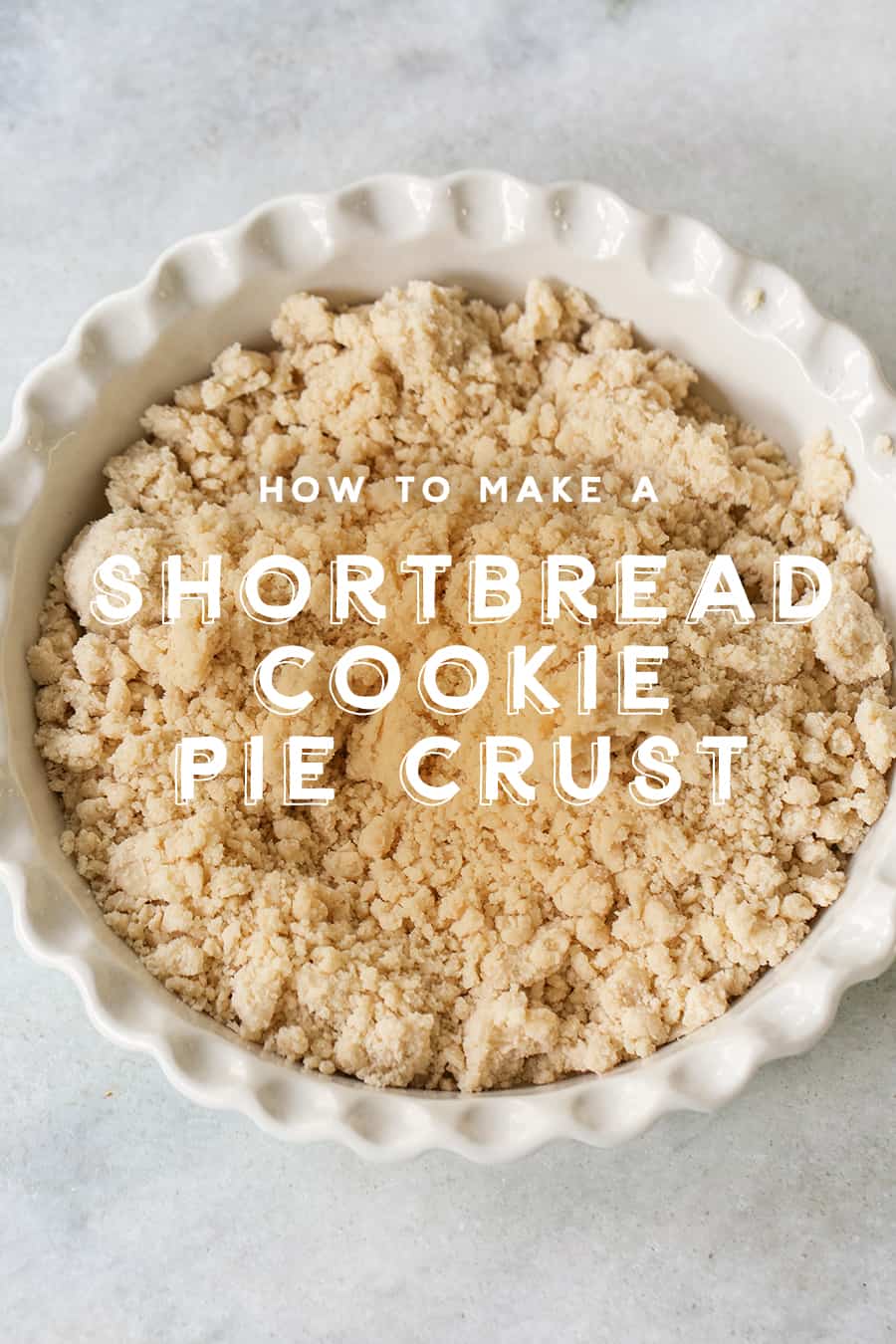
This shortbread pie crust is buttery, slightly sweet, and tastes like a shortbread cookie in pie-crust form. I’ve been making it for years, and it’s still one of my favorite alternatives to a traditional pie crust, especially when I want something EASY.
The best part is you can press the dough straight into the pie dish, so there’s no rolling, folding, or complicated pastry technique. I use this exact crust for my chocolate chip cookie pie, and it’s also delicious with cream pies, chocolate fillings, lemon, and fruit.
Pin this now to find it later
Pin It⭐⭐⭐⭐⭐
“It doesn’t shrink and no need to put weights in pan. This is too much crust for a regular 9” pie; I might suggest 1/2 for this size pie pan or use the original recipe and make two.” Clare
Table of Contents
- Why You’ll Love This Shortbread Pie Crust
- Shortbread Pie Crust Ingredients
- How to Make Shortbread Pie Crust
- Press-In Shortbread Crust: No Rolling Required
- Do You Need to Prebake Shortbread Pie Crust?
- Eden’s Shortbread Pie Crust Tips
- What Pies Are Best with a Shortbread Crust?
- Make Ahead and Storage
- Shortbread Pie Crust FAQs
- More Pie Recipes
- Shortbread Pie Crust Recipe
Why You’ll Love This Shortbread Pie Crust
- No rolling required: Just press the dough directly into the pie dish. SO much easier than traditional pie dough.
- Only five ingredients: Butter, flour, powdered sugar, vanilla, and a tiny bit of baking powder.
- Tastes like shortbread: It’s buttery, slightly sweet, and more cookie-like than a classic flaky pie crust.
- Perfect for dessert pies: I especially love it with chocolate, cream, lemon, and fruit fillings.
Shortbread Pie Crust Ingredients

You only need five simple ingredients to make one homemade shortbread crust.
Unsalted butter: The star of any good shortbread! I use softened unsalted butter for that rich, buttery flavor.
All-purpose flour: Gives the crust structure while still keeping that tender shortbread texture.
Powdered sugar: Also called confectioners’ sugar. It adds sweetness and helps give the crust its delicate, cookie-like texture.
Vanilla extract: I use pure vanilla extract for the best flavor.
Baking powder: You only need ¼ teaspoon.
How to Make Shortbread Pie Crust


1. Cream the butter and sugar. Beat 1 cup softened unsalted butter until light and fluffy. Add ½ cup powdered sugar and mix until combined.
2. Add the remaining ingredients. Add 2 cups all-purpose flour, 1 teaspoon vanilla extract, and ¼ teaspoon baking powder. Mix just until a soft, crumbly dough forms. It should hold together when you press it between your fingers.
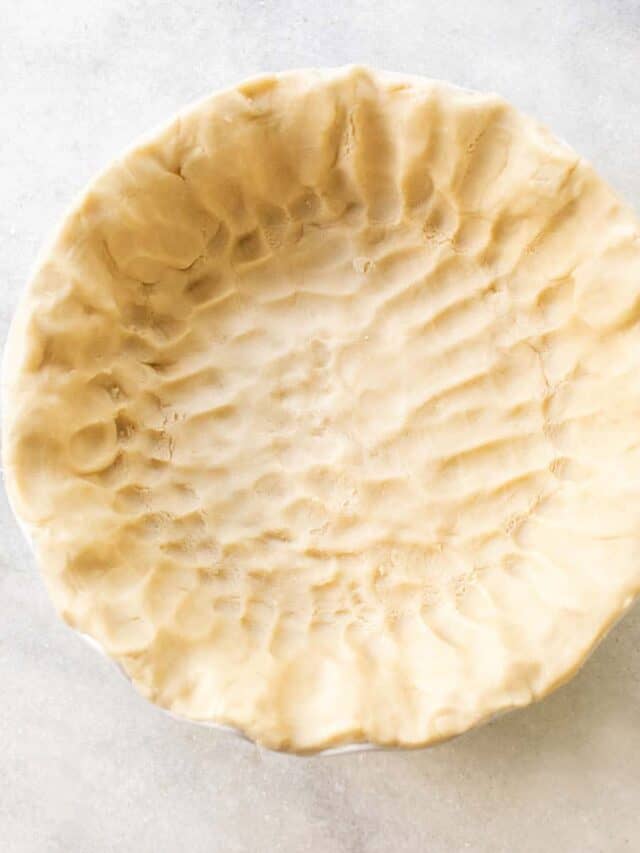
3. Press it into the pie dish. Add the dough to a 10-inch deep-dish pie dish and use your fingers to press it evenly across the bottom and up the sides.
4. Bake the crust. Bake at 350°F for 10 to 15 minutes, or until the crust is set and the edges are lightly golden.
5. Cool and fill. For a chilled or no-bake pie, let the crust cool completely before adding the filling. If your filling also needs to bake, follow the directions for the specific pie you’re making.

Press-In Shortbread Crust: No Rolling Required
This is my favorite way to make it. Add the dough directly to the pie dish, press it across the bottom, then work your way up the sides.
- Keep the dough as even as possible so it bakes evenly.
- Use the bottom of a measuring cup to smooth it out for a more polished look.
- Don’t worry about making it perfect. This is supposed to be the EASY pie crust!
You can roll the dough between parchment if you prefer, but I rarely bother. Pressing it in is faster, easier, and one of the reasons I love this crust.
Do You Need to Prebake Shortbread Pie Crust?
It depends on the filling.
No-bake or chilled pie: Yes. Fully bake the crust and let it cool completely before adding the filling.
Baked pie: Follow the recipe for your filling. Some fillings can bake directly in the unbaked crust, while others need a partially baked crust.
Very wet filling: Prebaking the crust can help keep the bottom crisper.
Eden’s Shortbread Pie Crust Tips
Don’t overmix the dough: Once it comes together and holds when pressed, you’re done. Overworking it can make the crust tougher.
Keep the thickness even: Pay attention to the corners where the bottom meets the sides. It’s easy to accidentally make that area much thicker.
Use a deep-dish pie plate: I use a 10-inch deep-dish pie dish and have plenty of dough for the crust. If you have extra, don’t toss it! Roll it out and cut it into shapes for little pie toppers, or wrap and freeze the extra dough for later.
Watch the edges: For a fully baked crust, look for lightly golden edges rather than relying only on the clock.
Cool before adding a no-bake filling: Let the crust cool completely before adding cream, pudding, or other chilled fillings.
Use it for tarts too: I love this dough for sweet tarts when I want something more cookie-like than traditional pastry.
What Pies Are Best with a Shortbread Crust?
Shortbread crust is sweeter and more buttery than traditional pie crust, so I save it for dessert pies.
It’s especially good with:
- Chocolate and cookie pies
- Cream and pudding pies
- Lemon and citrus fillings
- Berry and fruit pies
- No-bake pies
- Sweet tarts
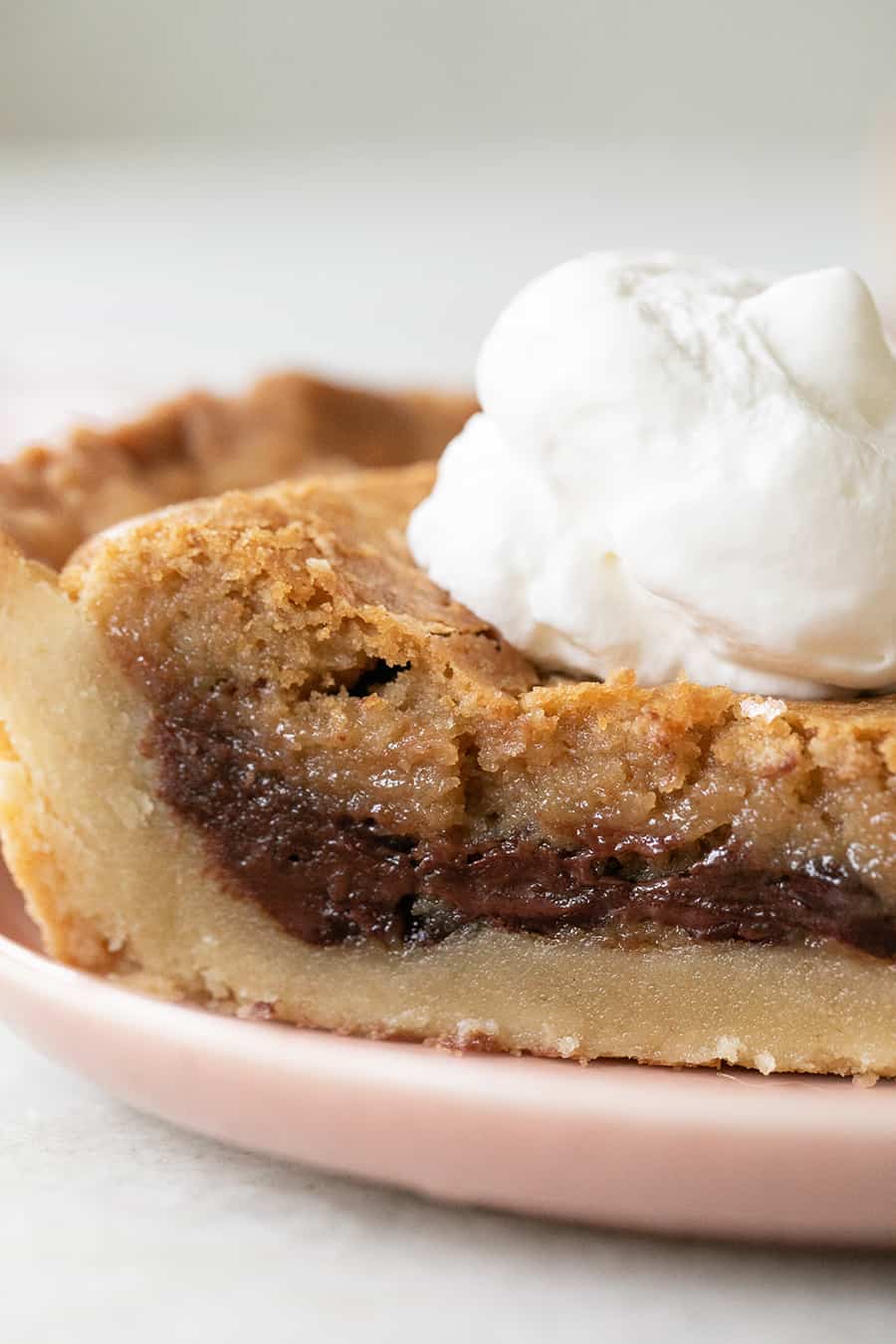
My chocolate chip cookie pie is one of my FAVORITE ways to use it. The gooey chocolate chip filling and buttery cookie crust are ridiculously good.
You can also try it with my lemon curd pie, banana pudding pie, or classic cherry pie.
Make Ahead and Storage
Make ahead: You can bake the crust up to 2 days ahead. Let it cool completely, then cover it and store it at room temperature until you’re ready to fill it.
After filling: Follow the storage instructions for your pie filling. Refrigerate cream, custard, pudding, and other perishable fillings.
Shortbread Pie Crust FAQs
It’s a sweet, buttery pie crust with a tender, cookie-like texture. Unlike a traditional flaky pie crust, this version is made more like shortbread dough with butter, flour, powdered sugar, and vanilla. You can also press it directly into the pie dish instead of rolling it out.
The dough may look crumbly while you’re mixing it, but it should hold together when pressed between your fingers. Make sure your butter is properly softened and measure the flour carefully. Too much flour can make the crust dry and difficult to press into the pan.
Yes! It’s SO good with no-bake fillings. Fully bake the crust first, let it cool completely, then add your filling.
Not always. This is a press-in, cookie-style crust, so it doesn’t behave exactly like traditional pie dough. I bake this crust using the method above. If you’re using it with a filling that requires a different baking method, follow the directions for that specific pie.
More Pie Recipes


Looking for a different crust? Try my easy graham cracker crust or classic buttery pie crust.
This shortbread pie crust is one of those recipes I come back to again and again because it’s EASY and makes even a simple pie feel a little more special. If you make it, leave a star rating and comment below. I love hearing what you filled it with!
My new Entertaining book is here! Order Now!

Shortbread Pie Crust
Ingredients
- 1 cup unsalted butter, 2 sticks
- 2 cups flour
- 1/2 cup confectioners sugar
- 1 tsp vanilla extract
- 1/4 tsp baking powder
Instructions
- Prepare the oven. Preheat the oven to 350°F.
- Cream the butter and sugar. Beat 1 cup softened butter until light and creamy. Add ½ cup confectioners' sugar and mix until combined.
- Add the remaining ingredients. Add 2 cups all-purpose flour, 1 teaspoon vanilla extract, and ¼ teaspoon baking powder. Mix just until a soft, crumbly dough forms. The dough should hold together when pressed between your fingers.
- Press into the pie dish. Add the dough to a deep 10-inch pie dish and use your fingers to press it evenly across the bottom and up the sides.
- Bake. Bake for 10 to 15 minutes, or until the crust is set and the edges are lightly golden.
- Cool and fill. For a chilled or no-bake pie, let the crust cool completely before adding the filling. If you're using it for a baked pie, follow the baking directions for that specific filling.
Notes
- No rolling needed: I usually press the dough directly into the pie dish. Use the bottom of a measuring cup to help smooth it out if needed.
- Keep it even: Try to keep the bottom and sides a similar thickness so the crust bakes evenly.
- Don’t overmix: Stop mixing once the dough comes together and holds when pressed.
- For no-bake pies: Fully bake and cool the crust before adding the filling.
- Make ahead: Bake the crust up to 2 days ahead. Once completely cool, cover and store at room temperature until you’re ready to fill it.
Nutrition
Nutrition information is automatically calculated, so should only be used as an approximation.















Eden, I would like to use this as the bottom of a cheesecake instead of a graham cracker crust. Do you think that would work?
Thank you!
I think that could work! I’ve never tried but it sounds good!
I love this crust and have made it many times using gluten free flour and crisco shortening instead of vegan butter. It comes out great! I’m trying to save time with all the pie baking for Thanksgiving, so I was wondering after I bake the crust for the 10 minutes and the crust cools; can I refrigerate or freeze the crust at this point before I bake it again with the filling? Also, if I freeze it, can I add the filling directly to the frozen crust and bake it; or does it need to be thawed first? Thank you! 😊
When I par bake the crust it slips down the sides causing holes on the side and a thicker crust at the base around the rim.
Would you have a solution to this.